

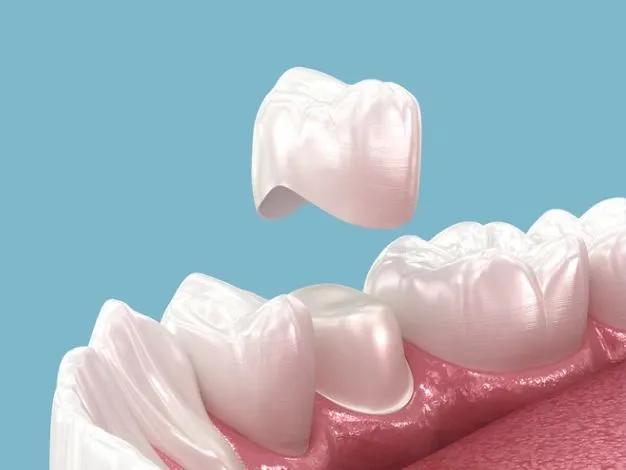
You stare at your smile in the mirror. One tooth looks chipped and weak. Or maybe a gap sits where a tooth used to be. Suddenly you hear the words dental crowns and bridges. Which one do you pick? Both restore your bite and confidence. Yet they solve very different problems. Let’s walk through the clear differences so you feel sure about your choice.
What does a crown actually do for your tooth?
Picture a crown as a custom helmet for a single tooth. Your dentist gently shapes the damaged tooth first. Then a strong cap slides over it like a perfect glove. This fixes cracks, heavy wear, or teeth after root canals. You keep your natural root. The tooth feels strong again. You chew apples without worry.
Crowns also brighten your smile. They hide stains or fix odd shapes. Most people finish treatment in two quick visits. The result looks and feels like your own tooth. Families love how simple the whole process feels.
How do bridges fill the empty spaces?
Bridges work like a sturdy walkway between teeth. If you lost a tooth, the dentist prepares the two healthy teeth on each side. A fake tooth, called a pontic, sits right in the gap. Everything bonds together into one smooth piece. Your bite stays even. Food stops hiding in empty spots.
You speak clearly again. Your face keeps its natural shape too. Bridges usually take two or three visits. They bring back the full row of teeth so you smile wide without thinking twice.
When should you choose a crown instead of a bridge?
Choose a crown when your own tooth still stands but needs rescue. Big decay, a large filling, or a crack means the tooth needs protection fast. A crown saves that tooth for years. Bridges make sense only when a tooth is completely gone.
Ask yourself this simple question. Is the problem inside one tooth or a missing space? Your answer points straight to the right fix, between - dental crowns and bridges, regarding which to choose. Many patients feel relief once they see it this way.
What are the real pros and cons?
Crowns protect your natural tooth and last 10 to 15 years with good care. They need less work on nearby teeth. Bridges replace missing teeth quickly and stop shifting. Yet they put extra load on the anchor teeth.
Here’s a clear side-by-side look:
Feature | Crowns | Bridges |
Fixes | One damaged tooth | One or more missing teeth |
Teeth touched | Only the problem tooth | Two healthy teeth plus gap |
Main benefit | Saves and strengthens | Closes gap and balances bite |
Cleaning | Brush and floss like normal | Needs special threader |
Average lifespan | 10–15 years | 7–15 years |
This table helps you picture the trade-offs in seconds.
How much should you budget?
Crowns often run from $900 to $2,200 each. Bridges start around $2,500 for a simple three-tooth version. Materials like porcelain or zirconia affect the price. Many dental plans cover part of the cost. Gentle payment plans make both options feel affordable for busy families.
Smart tips most patients miss
Grind your teeth at night? Ask for extra-strong material in your crown. It lasts longer. With bridges, slide a floss threader under the fake tooth every single day. This stops hidden gum trouble. Wear a mouthguard for sports or clenching. Small steps like these add years to your work.
Book a quick check-up if the gap or crack bothers you. Early action always means simpler fixes and happier smiles.
Parting Words
For truly personal guidance that feels calm and clear, many Ottawa families trust the best dental care Ottawa offers. Our team handles everything from gentle cleanings to same-day emergency fixes. You leave knowing exactly what suits your mouth and your budget.
Now you hold the facts in your hands. Crowns guard single teeth. Bridges replace missing ones. Both bring back comfort and confidence. Talk with your dentist about your specific smile. The right choice waits just one conversation away. Your future grin will thank you.